


The Unheard Stories of Thika: A Plea from Parents of Deaf Children
- Edulet
- December 2, 2025
-
- 0
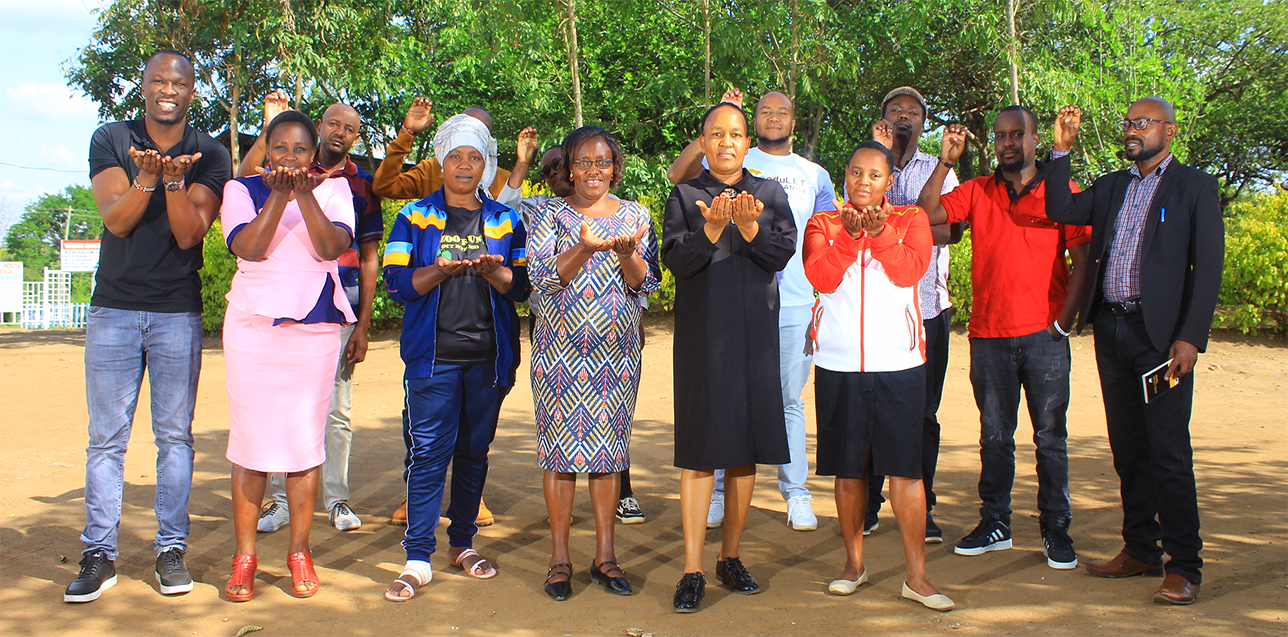
In the vibrant, bustling community of Makongeni, Thika, a profound and poignant silence exists behind many closed doors. It is not the silence of emptiness, but one filled with immense love, fierce determination, and a deep, unspoken yearning for connection. On Saturday, 29th November 2025, EduLET Africa held a Parents Awareness Workshop (PAW), gathering mothers and fathers of deaf and hard-of-hearing children. What was intended as a training session became a powerful, emotional unveiling—a collective confession of isolation and a heartfelt plea for help.
A Room Full of Love, A Void of Language
The workshop began with the fundamentals: understanding deaf culture, human rights, and positive parenting. Parents listened intently, their faces etched with recognition as facilitators discussed the challenges they live daily. Yet, it was during the survey and the open Q&A session that the raw reality surfaced, stark and undeniable.
Only 2% of the parents present knew even the most basic sign language.
The statistic hung in the air, not as a number, but as a testament to a painful gap. For the other 98%, communication with their children is a daily puzzle. They rely on improvised gestures, pointed fingers, exaggerated facial expressions, and hope. They parent through a fog of good intentions, often missing the nuances of their child’s thoughts, fears, and dreams.
One father’s voice broke through with particular resonance. Dani’el Cleric D.M.el, a local pastor, stood to share his story. With humility and visible emotion, he described a home where love is boundless, but conversation is broken. “I can ask my son if he is hungry or tired with a few gestures we’ve made up,” he shared. “But I cannot ask him about his day. I cannot know if he is sad, or what he dreams of becoming. I cannot explain the world to him, or comfort him properly when he is confused. We are living together, but we are separated by a wall of silence.”
He then turned to the EduLET team, his request simple and devastating: “Please, do not just tell us what we should do. Come and walk with us. Teach us. Give us the tools to break down this wall.”
The Ripple Effects of the Communication Gap
The stories that followed painted a vivid picture of the ripple effects created by this communication barrier:
Loneliness in a Full House: Parents spoke of watching their children sit alone in a room full of family, unable to follow the flow of conversation, jokes, or casual banter. The child’s withdrawal is often mistaken for disinterest, when it is rooted in exclusion.
The School Fee Crisis: With schools currently closed, anxieties are amplified. Many parents shared their desperate worry about affording specialist education when schools reopen. “We want our children to learn, to have a future better than ours,” one mother said, tears in her eyes. “But the schools for the deaf are far and expensive. We are begging for any help, for scholarships, for a chance.”
Behavior as the Only Language: Without a formal language, children often express frustration, pain, or need through behavior. Parents admitted they sometimes mistake this communication for disobedience, leading to cycles of misunderstanding and mutual frustration. As our training highlighted, “Deaf/HoH children communicate through behavior.” The challenge is learning to interpret it.
Social Isolation for the Whole Family: The isolation extends beyond the child. Parents feel cut off from community support, unsure how to advocate for their child, and often carry a heavy burden of guilt and helplessness.
Glimmers of Hope in the Darkness
Yet, within this landscape of challenge, the workshop also planted and nurtured seeds of profound hope. For many, it was the first time they had heard the term “Deaf Culture.” Learning that deafness is not a deficit but a difference—with its own rich language, history, identity, and community—was a revelation. The session on Deaf Role Models—teachers, lawyers, managers who are deaf—was particularly transformative. Parents’ eyes widened as they realized: My child can have dreams. My child can achieve.
They learned practical strategies: to always ensure clear light on the face, to tap gently on the shoulder for attention, to use vivid body language and visual aids. They discussed the critical importance of involving their children in daily routines—cooking, cleaning, shopping—to build language and life skills contextually.
Most importantly, they found a community in each other. In that room, they were no longer alone. They were a group of warriors, united by a common purpose.
EduLET Africa’s Pledge: From Awareness to Action
The echoes of Pastor Dani’el’s plea, and the collective voice of the Thika parents, will not fade. This workshop was not an endpoint, but a critical beginning. EduLET Africa is taking immediate, concrete steps to answer their call:
Developing a Practical Sign Language Curriculum: We are committed to creating a free, accessible, and ongoing Sign Language for Families training program in Makongeni. This will start with the basics of Kenya Sign Language (KSL), focused on daily communication between parent and child.
Establishing a Parent Support Network: We will facilitate regular meet-ups, creating a sustainable peer-to-peer support system where parents can share experiences, practice signing, and encourage one another.
Advocating for Educational Access: We are actively pursuing partnerships with organizations, donors, and educational institutions to identify and secure scholarship opportunities for deaf children from low-income families in Thika.
Providing Continued Resources: We will distribute visual guides, connect families with online KSL resources, and provide ongoing coaching to reinforce learning.
A Call to Join Hands and Hearts
The story of Makongeni is a microcosm of a much larger narrative. It highlights the critical gap between awareness and actionable support. These parents are not asking for pity. They are asking for empowerment. They are asking for the key to their own child’s mind and heart.
We can help them find it.
The silence in their homes can be filled with the beautiful, expressive language of hands and eyes. The isolation can give way to inclusion. The frustration can transform into fluent conversation.
This mission requires more than one organization. It requires a community of compassion. If you are moved by these stories, you can help:
Donate to fund our Sign Language for Families program and scholarship fund.
Volunteer your skills in teaching, translation, or community outreach.
Partner with us if you represent an organization that can support education or disability inclusion.
Share this story to raise awareness and break the stigma.
Together, we can ensure that no parent ever has to beg for the chance to talk to their own child. We can turn their silent love into a conversation that lasts a lifetime.
#BreakTheSilence #SignLanguageForFamilies #EduLETAfrica #InclusionForDeafChildren #Thika #KenyaSignLanguage
By EduLET Africa | 30th November 2025
Building bridges of understanding, one sign at a time.