In many parts of Kenya and across Africa, thousands of schoolgirls miss classes every month because of a natural, yet often neglected challenge — menstruation. Period poverty, or the lack of access to safe and affordable menstrual hygiene products, continues to rob girls of their right to education, dignity, and health.
During its routine visits to schools to deploy educational technology, Edulet Africa, a Kenyan social enterprise dedicated to bridging education gaps through technology, uncovered a troubling trend: low attendance among girls during certain weeks of the month. When the team engaged with teachers and students, they discovered that many girls were missing school due to their menstrual periods — not by choice, but because they lacked access to sanitary pads.
Some of these girls relied on unsafe and unhygienic alternatives such as old rags, newspapers, or even sand and feathers. This not only affected their education but also exposed them to infections and long-term health risks. The reality was clear — technology could not fully transform education if the basic health and dignity needs of learners were not addressed.
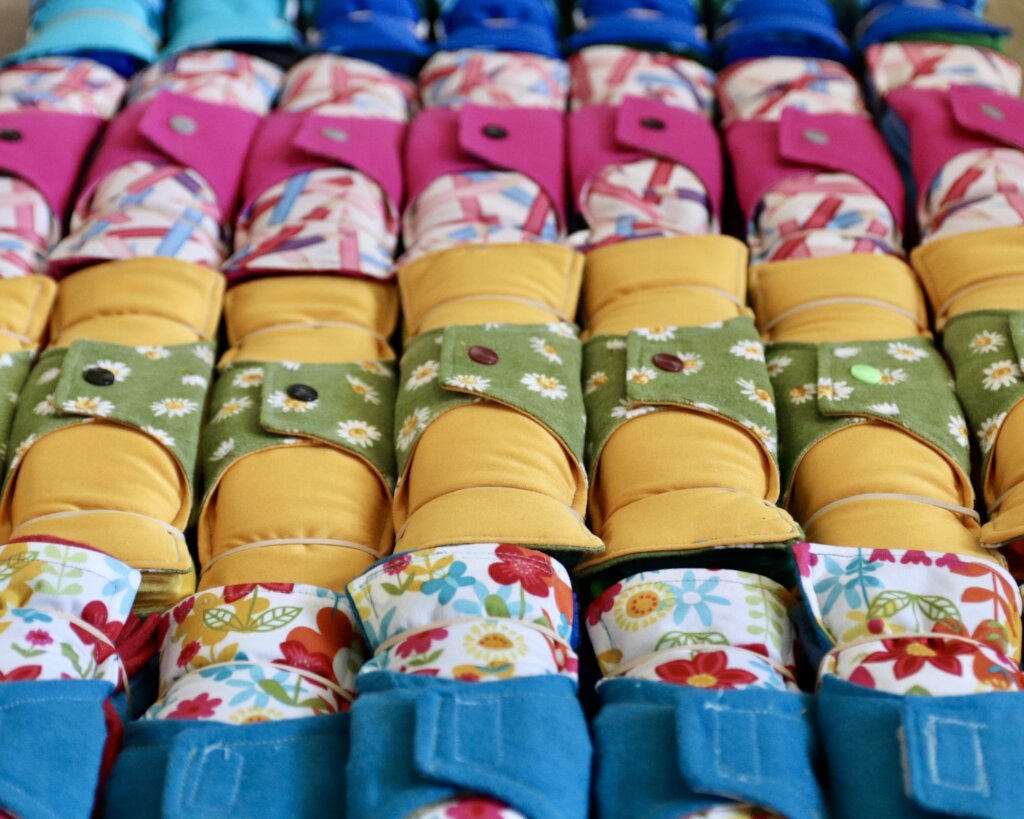
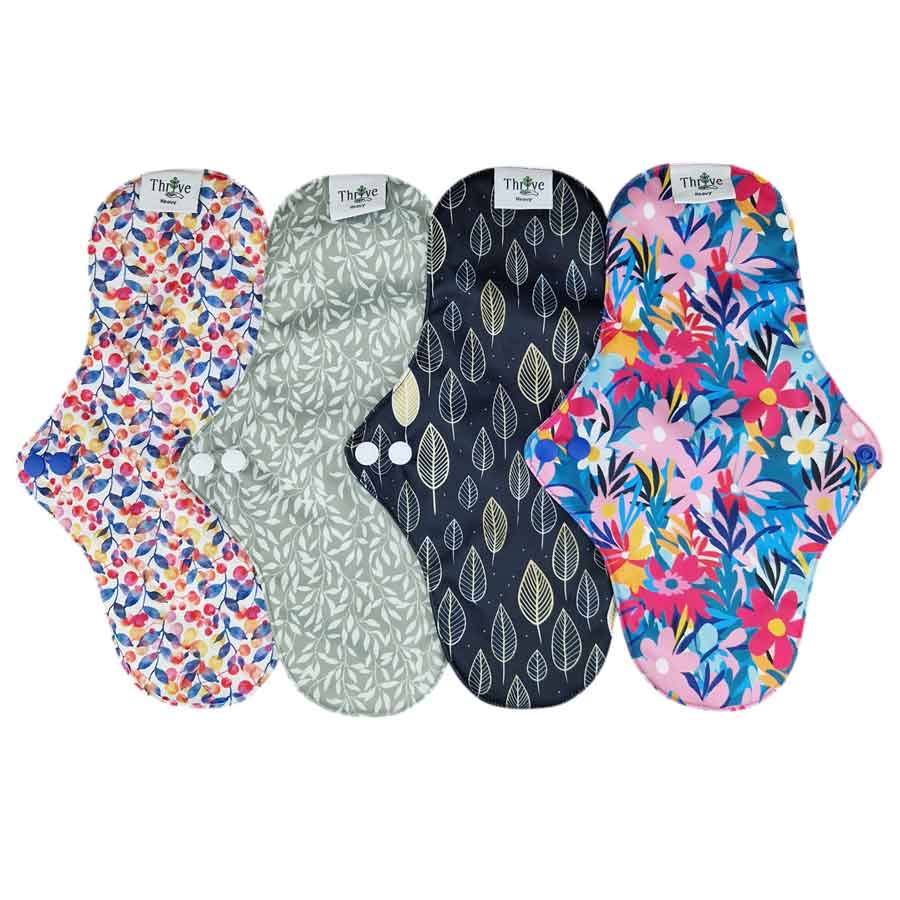
Instead of walking away from the issue, Edulet Africa decided to take action. The organization launched an initiative to produce and distribute reusable sanitary pads to schoolgirls alongside its ongoing edtech deployments. The goal is simple but powerful: to keep girls in school, healthy, and confident while promoting sustainability and social impact.
By partnering with local women’s groups, Edulet Africa is not only providing reusable pads but also empowering communities through skill development and small-scale production opportunities. Women in these communities are trained to make high-quality, reusable pads using safe, durable, and washable materials. The initiative therefore supports both education and economic empowerment — a true reflection of Edulet Africa’s social enterprise values.
Reusable sanitary pads offer a practical, affordable, and eco-friendly alternative to disposable pads. Each pad can last for up to two to three years with proper care, saving families the recurring monthly costs of sanitary products.
Edulet Africa believes that technology must serve humanity. While its core mission is to deliver AI-driven, accessible education technology solutions, the organization recognizes that true digital transformation begins with inclusion. By addressing period poverty, Edulet Africa is ensuring that girls are not left behind in the digital learning revolution.
This initiative reflects a simple truth: education technology is most effective when it meets learners’ holistic needs — academic, social, and emotional. Through this integrated approach, Edulet Africa is redefining what it means to build sustainable educational change in Africa.
Edulet Africa envisions a future where every child — regardless of gender, location, or background — has equal access to education and opportunity. By combining innovation, compassion, and community engagement, the organization is not only transforming classrooms but also changing lives.
As the team continues to expand its edtech solutions across Kenya and beyond, one message remains clear: no girl should miss school because of her period.
Edulet Africa — Empowering Education, Dignity, and Equality Through Innovation.