


Bridging the Digital Divide — Offline Learning for Remote Schools in Turkana County
EduLET Africa > Offline Access to Learning > Bridging the Digital Divide — Offline Learning for Remote Schools in Turkana County

Title
From Isolation to Innovation: How EduLET Africa Brought Digital Learning to Internet-Deprived Classrooms in Northern Kenya
Background
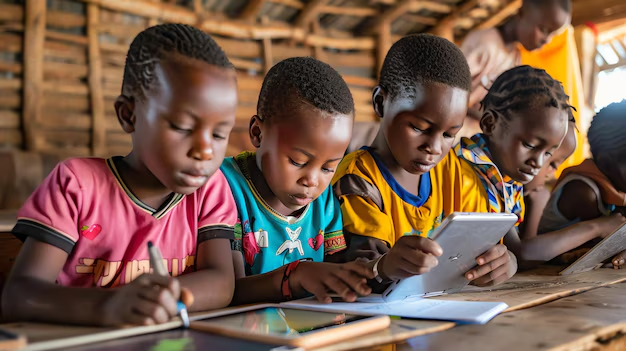
Turkana County, in Northern Kenya, is one of the most marginalized regions in the country. Extreme weather conditions, poor infrastructure, and lack of electricity and internet connectivity have made digital education nearly impossible for its schools.
For years, teachers relied solely on printed materials and chalkboards. Students had never interacted with a digital device, and the concept of “online learning” felt far removed from their reality.
In 2024, EduLET Africa, in partnership with Save the Children Kenya and the Ministry of Education (MOE), launched a groundbreaking initiative to introduce offline digital learning solutions to rural schools in Turkana.
The project aimed to empower teachers and students by bringing digital learning without the need for internet connectivity, using portable servers, localized e-learning content, and renewable energy systems.
Project Info
-
Client:
Internet-Deprived Classrooms in Northern Kenya
-
Services:
offline eLearning system
-
Date:
February 12, 2024
-
Category:
offline eLearning
-
Team:
EduLET Africa team
Objectives
To deploy a sustainable offline eLearning system in schools with no internet access.
To train teachers to integrate technology and digital content into their daily lessons.
To improve student engagement and learning outcomes through interactive and multimedia-based content.
To demonstrate a scalable model for digital inclusion in low-resource contexts.
Solution Implemented
EduLET Africa designed and implemented a comprehensive offline learning ecosystem combining hardware, software, and capacity building.
🖥️ Technology Setup
EduLET Offline Learning Hub:
A solar-powered portable server preloaded with curriculum-aligned learning content.
Created a local Wi-Fi network that connected up to 50 devices without internet.
Hosted thousands of interactive lessons, videos, quizzes, and teacher guides.
Preloaded Tablets & Laptops:
Each school received 30 tablets preloaded with the Kenyan CBC syllabus.
Content included mathematics, science, English, and social studies in both Swahili and English.
Devices featured text-to-speech, image-based learning, and gamified assessments.
Solar Energy Kit:
Installed solar panels to ensure uninterrupted power supply.
Provided backup battery systems for evening learning and training.
📚 Digital Content Development
EduLET’s instructional designers collaborated with Kenyan educators to produce localized, interactive content that matched the community’s cultural and linguistic context.
Lessons featured real-life rural scenarios — farming, animal care, and environmental conservation — making learning relatable.
Integrated interactive quizzes using H5P tools and audio-visual storytelling to enhance comprehension.
Developed content in English, Swahili, and Turkana language to reach all learners.
👩🏽🏫 Teacher Capacity Building
A 3-week Digital Literacy and Pedagogical Training was conducted for 45 teachers from 8 pilot schools.
Modules included:
Introduction to digital learning pedagogy.
Using the EduLET offline platform effectively.
Creating and updating local content using simple authoring tools.
Managing and maintaining devices in low-power settings.
Teachers were also trained on inclusive classroom practices, ensuring girls, students with disabilities, and slow learners were equally engaged.
⚙️ Monitoring & Evaluation
EduLET Africa set up a real-time analytics dashboard within the offline hub to track:
Number of active users.
Lesson completion rates.
Time spent per subject.
Teacher engagement in lesson uploads.
Data was synced monthly when the project coordinator visited with a 4G connection.
Results and Impact
🎯 1. Digital Inclusion Achieved
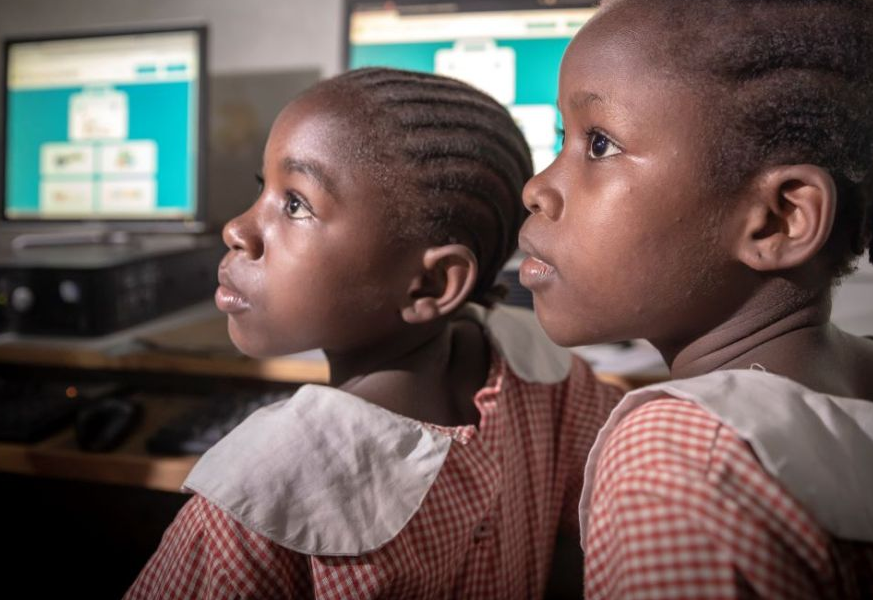
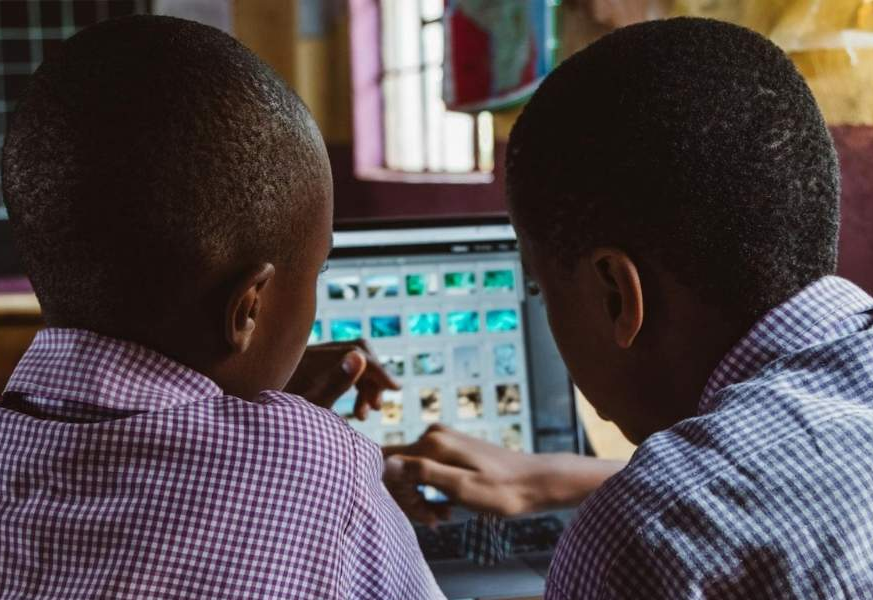
Over 1,200 learners in 8 rural schools accessed digital content for the first time.
Teachers reported that students became more enthusiastic and participatory.
🎯 2. Improved Learning Outcomes
End-term assessment results showed a 25% improvement in literacy and numeracy scores.
Visual and audio content helped non-readers and slow learners grasp complex topics faster.
🎯 3. Empowered Teachers
Teachers adopted digital lesson planning and content creation using offline tools.
4 teachers were selected as Digital Learning Champions in Turkana sub-county.
🎯 4. Sustainability & Replicability
The solar-powered system operated 100% off-grid, reducing dependency on electricity or internet.
The project framework is now being replicated in Garissa, Baringo, and Marsabit counties.
Testimonials
“We never imagined our students could use tablets in such a remote place. Now, they not only learn with them but even teach others.”
— Mr. Lokwang, Headteacher, Lorugum Primary School.
“The lessons are interactive and fun. I can see science pictures and hear explanations. It makes me love school.”
— Amina, 12-year-old learner.
“EduLET Africa’s offline system is a game changer. We can now implement digital education even where there is no internet.”
— County Director of Education, Turkana.
Challenges and Lessons Learned
| Challenge | Lesson Learned |
|---|---|
| Harsh weather conditions affecting hardware durability | Use rugged, dust-resistant casings for devices. |
| Teachers initially skeptical about technology | Peer-led training increased acceptance and ownership. |
| Power limitations during cloudy days | Introduce backup solar batteries for consistency. |
| Difficulty updating content regularly | Create USB-based content update packages for offline syncing. |
Conclusion
EduLET Africa’s Offline Learning for Remote Schools Project demonstrates that digital learning can thrive even without the internet.
By combining solar energy, portable technology, localized content, and teacher training, EduLET Africa has provided a sustainable pathway to digital education for marginalized learners.
This project underscores the power of context-driven innovation — education solutions that understand Africa’s challenges and turn them into opportunities for transformation.
Future Outlook
EduLET Africa aims to:
Expand the offline digital learning model to 50 additional schools by 2026.
Develop AI-powered adaptive learning modules for offline environments.
Partner with government agencies and NGOs to build a national framework for digital inclusion.